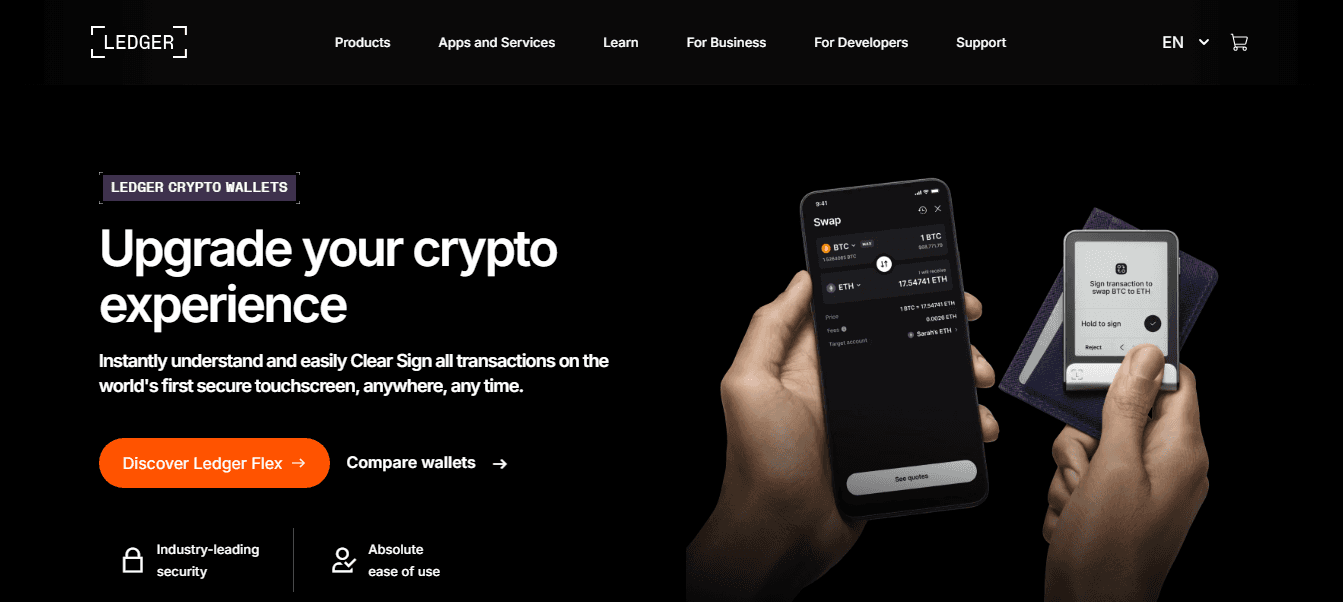
Ledger Login: A Complete Guide to Secure Access and Smooth Wallet Management
The Ledger hardware wallet has become one of the most trusted tools for safeguarding cryptocurrencies, especially for individuals who prioritize strong security and long-term storage. Whether a person is holding Bitcoin, Ethereum, or a diverse portfolio of digital assets, Ledger provides a combination of offline protection and user-friendly management tools. However, one of the most important steps in using the device effectively is understanding the Ledger login process. Although hardware wallets operate differently from typical online accounts, Ledger still requires a structured method of authentication, software setup, and secure access. This detailed guide explores everything a user needs to know about logging in to Ledger devices, common issues, and best practices for keeping accounts safe.
Understanding How Ledger Login Works
Unlike traditional platforms where logging in requires a username and password, Ledger uses a combination of physical device verification and software interaction. This means that the user does not technically “log in” to Ledger the way they would with an online platform. Instead, the login process is based on three essential components:
The Ledger hardware device
The PIN code entered directly on the device
The Ledger Live application installed on a computer or mobile device
Together, these elements ensure that the user’s private keys remain offline and protected, while still allowing convenient access to view and manage assets.
Step-by-Step Ledger Login Process
Connect the Ledger Device
To begin, the user connects their Ledger Nano S, Nano S Plus, or Nano X to their computer or smartphone. This connection may be through a USB cable or, in the case of the Nano X, via Bluetooth.
Once connected, the device powers on and displays a prompt for the PIN code.
Enter the PIN Code
The PIN is the first layer of security. It is created during the initial setup and must be entered correctly each time the device is used. Because private keys never leave the device itself, the PIN protects the hardware wallet from unauthorized access.
If the PIN is entered incorrectly multiple times, the device automatically resets as a security measure. This ensures protection against brute-force attempts but also emphasizes the importance of remembering or securely storing the PIN.
Open Ledger Live
The Ledger Live application acts as the user interface for managing crypto assets. It allows users to check balances, send or receive funds, stake tokens, and install or uninstall apps on their hardware wallet.
Once the device is unlocked and the app is open:
Ledger Live recognizes the device
The user is prompted to access their portfolio
The application performs a security check to ensure the device is genuine
This interaction between the software and hardware forms the actual “Ledger login” experience.
First-Time Users: Setting Up Before Logging In
Users accessing Ledger for the first time must complete the initial setup, which includes creating or recovering a wallet. This process requires careful attention because it involves generating a recovery phrase, the only backup for the wallet’s private keys.
Setting Up a New Device
When setting up a new Ledger:
The device generates a 24-word recovery phrase.
The user writes it down precisely in the correct order.
This phrase is stored offline and should never be shared.
The PIN code is then created.
Ledger Live is downloaded and linked to the device.
This establishes the user’s official wallet and prepares them for future logins.
Recovering an Existing Wallet
If the user is restoring an existing wallet:
The device will ask whether they already have a recovery phrase.
They will enter the 24 words in exact order.
A new PIN is created.
Ledger Live reconnects to the existing accounts.
It is important to note that Ledger employees will never ask for the recovery phrase, and it should never be entered into any website or computer—only into the hardware device itself.
Troubleshooting Common Ledger Login Problems
Though Ledger is known for reliability, users occasionally encounter issues when attempting to log in. Below are some of the most common problems and their solutions.
Ledger Device Not Detected
If Ledger Live does not recognize the device:
Ensure the cable or Bluetooth connection is functioning.
Check that the device is unlocked with the correct PIN.
Try a different USB port or cable.
Make sure Ledger Live is fully updated.
Many detection issues arise from outdated firmware or loose cable connections.
Incorrect PIN Attempts
If the PIN is entered incorrectly too many times, the device resets. Users can recover their accounts using the 24-word recovery phrase. Without the phrase, access cannot be restored, since Ledger does not store user keys.
Firmware Update Required
Sometimes Ledger login is blocked until the firmware is updated. The update process is straightforward through Ledger Live, but it is essential to have the recovery phrase stored safely before updating.
App Not Opening on the Device
Certain functions require opening specific apps on the Ledger device, such as the Bitcoin or Ethereum app. If the wrong app is open, Ledger Live may not complete the login handshake.
Security Tips for a Safe Ledger Login
Because Ledger is designed with security as its core principle, users must follow safe practices to maintain the integrity of their wallet. Below are essential security recommendations.
Protect Your PIN
While the device resets after failed attempts, users should still keep the PIN discreet and avoid storing it digitally. Memorizing it or keeping it in a secure physical location is ideal.
Never Share the Recovery Phrase
The recovery phrase is the master key to all assets held in the wallet. It should be written on paper or a fireproof metal backup and stored in a safe place. No legitimate service will ever ask for it.
Keep Ledger Live Updated
Software updates often include security improvements. Keeping Ledger Live and the firmware up to date ensures optimal performance and protection.
Be Cautious With Computer Security
Ledger protects private keys, but users must still maintain good digital hygiene:
Avoid downloading suspicious files.
Keep antivirus software active.
Don’t connect the Ledger device to untrusted computers.
Verify Transactions on the Device Screen
Even if malware attempts to change transaction details on your computer, the Ledger screen shows the true information. Always confirm addresses and amounts directly on the device.
Why the Ledger Login Process Is More Secure Than Traditional Logins
Traditional accounts rely on passwords stored or verified online, which can be vulnerable to hacking, phishing, or data breaches. Ledger’s login system is fundamentally safer because:
Private keys never leave the hardware device.
Transactions must be physically approved.
The PIN is required for device access.
Even compromised computers cannot extract wallet data.
This combination of offline storage and physical interaction creates one of the strongest security models in the cryptocurrency world.
Conclusion
The Ledger login process may feel different compared to standard online accounts, but it is purposefully designed to protect crypto assets with the highest level of security. By combining a hardware device, a PIN code, and the Ledger Live app, users gain a powerful and secure environment for managing digital assets. Whether someone is new to cryptocurrency or an experienced investor, understanding how to properly log in, navigate common issues, and maintain strong security practices ensures a smooth and safe experience with Ledger. With careful handling of the device, the PIN, and especially the recovery phrase, users can confidently manage their crypto portfolio knowing their assets are well protected.