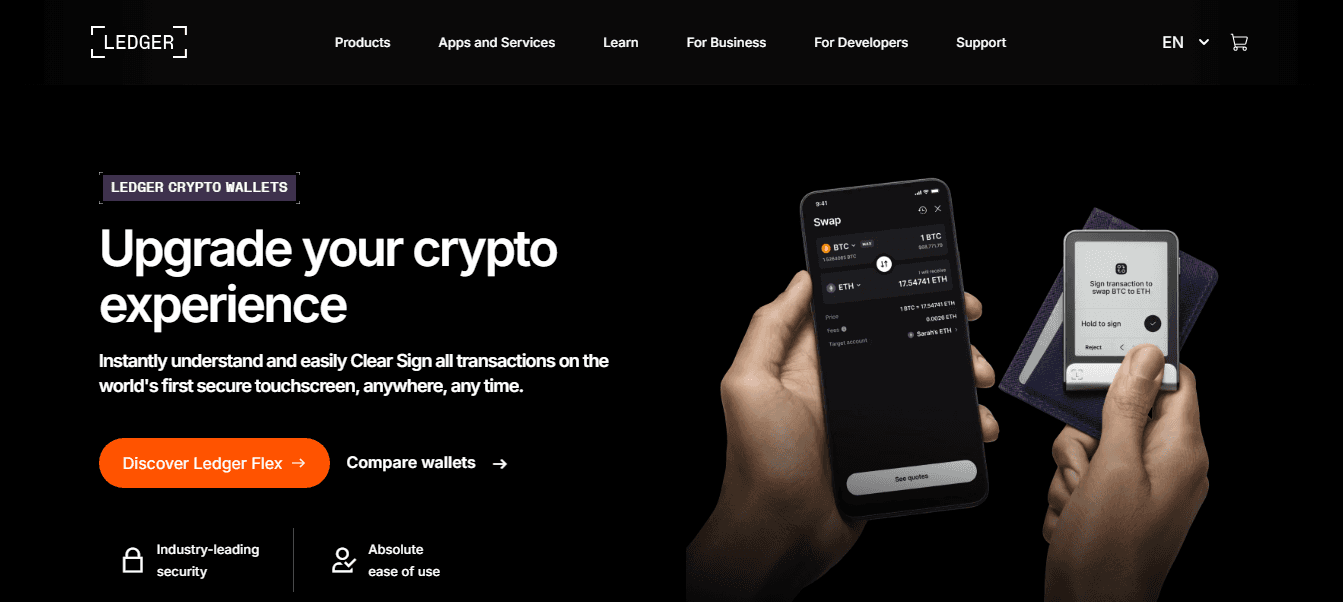
Ledger Login: Securely Accessing the World of Crypto Assets
In the fast-evolving world of cryptocurrency, security is everything. One of the most trusted names in digital asset protection is Ledger, a company known for its hardware wallets and innovative cryptographic solutions. The Ledger login process acts as the gateway between your secured offline wallet and the digital crypto economy. Understanding how it works, why it matters, and how to navigate it safely can make all the difference in protecting your assets.
What Is Ledger?
Ledger is a global leader in crypto security technology. Founded in 2014, it develops hardware wallets that help users store cryptocurrency private keys offline—away from the reach of hackers. Unlike software or hot wallets that remain connected to the internet, Ledger devices keep private keys isolated from online threats.
Over time, Ledger has expanded beyond hardware to offer a complete ecosystem of crypto management through Ledger Live, a desktop and mobile application. Using the Ledger Live app, users can manage, buy, sell, stake, and exchange digital assets securely—all connected through the company’s signature hardware wallets like the Ledger Nano S Plus and Ledger Nano X.
Understanding Ledger Login
The Ledger login feature doesn’t work like a typical username-password account. Instead, it is based on cryptographic verification through your Ledger hardware wallet and the Ledger Live app. The login process ensures that only the rightful user can access the associated wallets and accounts.
When users open Ledger Live, they must connect their Ledger device physically (via USB or Bluetooth, depending on the model). To “log in,” users enter their PIN code on the device itself, verifying their identity. This design avoids any typing of sensitive information on a networked computer, preventing phishing or keylogging attacks.
Essentially, the "login" in Ledger is not about credentials stored on servers—it’s about cryptographic authorization controlled by the user.
Components Involved in the Ledger Login Process
The Ledger login process revolves around three main components:
Ledger Device – The physical hardware wallet (Nano X, Nano S Plus, Stax, etc.) that stores private keys in a secure chip.
Ledger Live App – The companion software that allows users to view balances, track portfolios, and perform transactions in a user-friendly way.
Recovery Phrase – A backup of your cryptographic keys that helps restore your wallet if your device is lost or damaged.
Each component plays a vital role in how the login and authentication process works.
How Ledger Login Works Step by Step
Opening Ledger Live:
The process begins when a user launches the Ledger Live application on their computer or smartphone.
Connecting the Device:
The user connects the Ledger hardware wallet through USB or Bluetooth. Ledger Live then detects the device.
PIN Entry:
The user enters the PIN directly on the Ledger device screen. This step is crucial—it ensures that even if malware exists on the connected computer, it cannot capture pin inputs.
Device Authentication:
Once the PIN is verified, Ledger Live synchronizes with the device. It checks for firmware accuracy and ensures authenticity.
Portfolio Access:
After authentication, the Ledger Live dashboard opens up. Users can now access their wallets, check balances, send or receive crypto, and explore staking opportunities.
Why Ledger Login Is Different from Typical Account Logins
Unlike centralized exchanges or financial apps, Ledger does not store user credentials or funds. There is no centralized Ledger login database to hack because Ledger does not hold your private keys or login data. Everything remains on the user-controlled device.
This approach to authentication eliminates common attack vectors like:
Password theft or phishing
Account breaches due to poor password hygiene
Server-based hacks where millions of credentials get exposed
Ledger’s system follows the principle of self-custody, meaning ownership and control of private keys always remain with the user.
Security Features Built into Ledger Login
Ledger’s security ecosystem is built on layers of robust measures:
Secure Element (SE) Chip:
The hardware wallet uses a certified secure chip (similar to those in passports and credit cards) to protect sensitive data.
PIN Code Protection:
The user must enter a PIN on the device, not the computer. Multiple incorrect attempts can trigger device reset, guarding against brute-force attacks.
Firmware Authentication:
Each Ledger device verifies the authenticity of its firmware during startup to prevent malicious modifications.
Recovery Phrase Control:
Users create a 24-word recovery phrase during setup, acting as a cryptographic backup.
These mechanisms make Ledger login one of the most secure authentication processes in the crypto ecosystem.
Common Issues and Troubleshooting During Ledger Login
Occasionally, users may face difficulties accessing Ledger Live or connecting their devices. Here are a few common scenarios and their solutions:
Device Not Recognized:
Ensure that the USB cable or Bluetooth connection is functioning properly. Restart both the device and Ledger Live.
PIN Forgotten:
If the device is locked and the PIN forgotten, the user must reset the device and restore it using the 24-word recovery phrase.
Firmware Outdated:
Outdated firmware may prevent the device from authenticating with Ledger Live. Updating the device restores compatibility.
Security Warnings:
If Ledger Live displays messages about unverified connections or suspicious operations, verify that the Ledger Live application is authentic and downloaded from the official source.
The Role of Ledger Live in the Login Experience
Ledger Live functions as the visual and functional layer of the Ledger ecosystem. After logging in through the verified device, users can:
Check balances across multiple cryptocurrencies
Send and receive crypto assets
Stake coins like Ethereum or Solana
Buy and swap cryptocurrencies securely
Manage NFTs (Non-Fungible Tokens)
All operations require physical device confirmation. No transaction can occur without pressing the confirmation buttons on your Ledger hardware wallet—a fundamental design that ensures security even if Ledger Live is compromised.
Ledger Login for Businesses and Advanced Users
While most Ledger users are individuals managing personal assets, businesses and advanced investors also rely on Ledger for large-scale operations. Enterprises can integrate Ledger devices into multi-signature setups or institutional custody solutions, ensuring multiple-party verification for every transaction.
Ledger login scalability extends beyond personal wallets—it underpins secure crypto infrastructure used by organizations that prioritize custody, risk management, and auditing.
Staying Safe Beyond the Login
Even though Ledger offers world-class security for login and transactions, the human factor remains the weakest link in most security breaches. Users should follow best practices to stay safe:
Never share or photograph your 24-word recovery phrase.
Double-check sender and receiver addresses before every transaction.
Regularly update both the Ledger Live app and the device firmware.
Avoid connecting your Ledger to public or untrusted devices.
Be cautious of phishing websites pretending to offer “Ledger login” portals or upgrades.
The Future of Secure Crypto Access
As digital assets become mainstream, the necessity for robust authentication grows. Ledger continues to advance beyond hardware wallets, introducing features like Clear Signing (where users can verify transactions in plain language before approval) and Ledger Recover, an optional encrypted key recovery mechanism designed for users who want insured backup access.
The broader mission of Ledger login goes beyond personal safety—it aims to make security intuitive and accessible to every digital citizen, whether they own Bitcoin, NFTs, or tokenized assets.
Final Thoughts
The Ledger login process illustrates how cryptographic security can be both user-friendly and airtight. By combining physical authentication with digital convenience, Ledger empowers individuals to manage their digital wealth without surrendering control to third parties.
In an age when online theft and scams are increasingly sophisticated, having a secure, tamper-resistant login system grounded in cryptographic principles provides true peace of mind. Whether you’re a seasoned crypto investor or just entering the world of blockchain finance, understanding how your Ledger login works—and using it responsibly—is the first step toward digital financial independence.